What Causes Women to Turn to Substance Use?
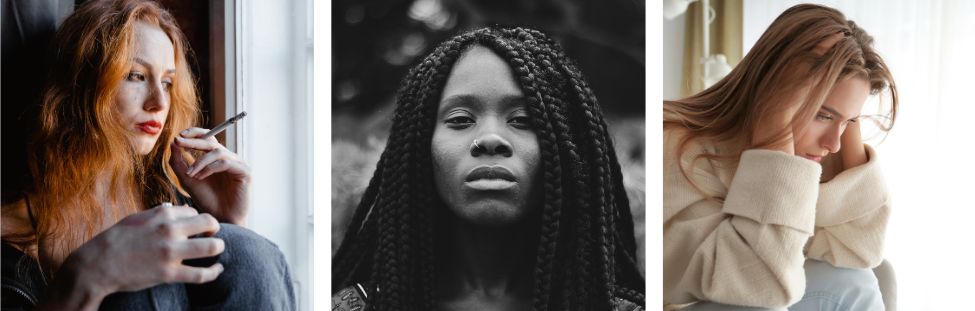
Women who struggle with addiction are often using substances to manage emotional distress, trauma, or major life changes. For many, alcohol and drugs become a way to cope with what feels overwhelming or inescapable. But behind that substance use are deeper stories of pain, loneliness, and unmet emotional needs.
Understanding women’s unique pressures and life experiences is key to offering compassionate, effective support. Hope Counseling Southeast specializes in helping women uncover and address the underlying reasons behind their substance use, leading to long-term healing and restoration.
Which Emotional Struggles Contribute to Substance Use in Women?
Emotions are powerful, and when they become difficult to manage, some women may turn to substances for relief. This self-medication, however, often worsens the emotional pain in the long run. At Hope Counseling Southeast, we frequently see the following emotional challenges linked to substance use:
- Depression: Persistent feelings of sadness, worthlessness, or loss of interest in life.
- Anxiety: Constant worry, panic attacks, and fear that disrupts daily functioning.
- Shame and guilt: Internalized negative beliefs about one’s self or past actions.
- Chronic stress: Burnout from juggling family, work, and personal expectations.
How Does Trauma Influence Substance Use Among Women?
Trauma is a common root cause of addiction. Whether it’s abuse, neglect, or sudden loss, traumatic experiences often leave emotional scars that women try to numb with alcohol or drugs. At Hope Counseling Southeast, we understand how trauma affects the brain, relationships, and self-image—and we offer trauma-informed counseling to help women heal.
Examples of Trauma That Increase Risk:
- Sexual assault or molestation
- Domestic violence or emotional abuse
- Neglect or abandonment in childhood
- Sudden death of a loved one
- Witnessing or surviving a natural disaster or accident
These experiences are often linked to PTSD, dissociation, or deep emotional detachment—all of which increase vulnerability to substance use.
Do Mental Health and Addiction Often Overlap?
Yes. It’s extremely common for women to experience co-occurring disorders—meaning they struggle with both addiction and a mental health condition. This dual diagnosis can include depression, anxiety, PTSD, or bipolar disorder. At Hope Counseling Southeast, we integrate treatment for both mental health and addiction through evidence-based therapy and Christian counseling principles.
Untreated mental illness can make recovery from substance use extremely difficult. That’s why identifying and treating these underlying conditions is a key part of lasting healing.
What Role Do Relationships Play in Women’s Substance Use?
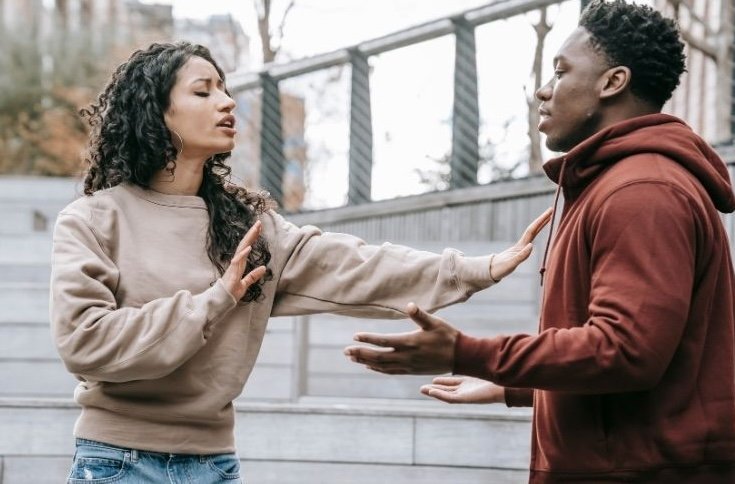
Relationships deeply influence emotional wellbeing. Toxic or unhealthy relationships can lead women to feel trapped, unloved, or emotionally drained. Many women begin using substances in response to betrayal, abandonment, or manipulation. Others may mirror a partner’s substance use to maintain the relationship.
Common Relationship-Related Triggers:
- Emotional abuse or control
- Divorce or breakup
- Infidelity
- Loss of a child or spouse
- Codependency and enabling dynamics
Healing these relational wounds often requires both individual and family therapy. Hope Counseling Southeast offers both, along with spiritual guidance on how to rebuild healthy, God-centered relationships.
Are Life Transitions a Common Trigger for Substance Use?
Absolutely. Major life changes can create feelings of loss, confusion, and instability. Women may struggle with transitions like becoming a single parent, entering retirement, moving away from family, or dealing with empty nest syndrome. These moments of transition often stir up unresolved grief or identity struggles.
Examples of Triggering Transitions:
- Postpartum depression or adjustment
- Loss of a job or career identity
- Relocation or housing instability
- Financial insecurity or divorce
- Children leaving home
How Does Perfectionism and Pressure to Perform Contribute?
Many women feel pressure to meet impossible standards—whether in motherhood, career, or appearance. This pressure can lead to burnout, anxiety, and feelings of inadequacy. When coping mechanisms are limited, substances may be used to escape or maintain a façade of control.
Christian counseling at Hope Counseling Southeast helps women let go of perfectionism by grounding identity in God’s grace rather than personal performance. This shift can be life-changing.
Is Isolation a Risk Factor for Addiction?
Yes. Isolation amplifies emotional pain. Women who lack connection—due to shame, trauma, or logistical barriers—are at higher risk for substance abuse. Feeling alone in their struggles, some women turn to alcohol or drugs to cope.
Rebuilding community and restoring trust is essential for recovery. Hope Counseling Southeast offers a safe, welcoming environment where women can reconnect with others and their faith.
How Does Hope Counseling Southeast Help Women Break the Cycle?
We offer individualized, faith-based counseling that gets to the root of addiction. Our licensed therapists and pastoral counselors help women understand the emotional, psychological, and spiritual dimensions of their struggles. Whether in person or online, our services are built around compassion, confidentiality, and Christ-centered care.
Services Include:
- Trauma-informed therapy
- Dual diagnosis support
- Family and relationship counseling
- Christian counseling and pastoral care
- Telehealth and in-person sessions

Frequently Asked Questions
What If I’m Not Sure I Have a Problem?
If your use of alcohol or drugs is affecting your relationships, responsibilities, or health—it’s worth exploring. Early intervention can prevent greater harm. Hope Counseling Southeast offers nonjudgmental support to help you gain clarity and take the next step.
Does Hope Counseling Offer Online Counseling?
Yes. We offer secure, HIPAA-compliant telehealth counseling for women across Georgia and nearby regions. This allows you to access support from the comfort and privacy of your home.
Is Counseling Confidential?
Absolutely. All counseling sessions are confidential. We follow all state and federal privacy laws, including HIPAA regulations, to protect your information.
Do I Need to Be Religious to Get Help?
While we offer Christian counseling, you do not need to be religious to benefit. We meet women where they are, with compassion and without judgment.
How Do I Get Started?
Contact us by phone or through our secure online form to schedule an initial consultation. We’ll talk about your goals and recommend the best path forward.